
91 flavor directions
From restrained mint to coffee, fruit and botanical profiles. Build a sensory brief around your formula.
Discuss your briefA working flavor menu
Browse the 91 frequently developed flavor directions from the supplied menu. A name describes a sensory direction; ingredient composition, allergens, sweetener system and availability in the selected active formula require confirmation.
91 flavor directions
Neutral / Unflavored
- Frozen
- Original
- Pure
Mint Series
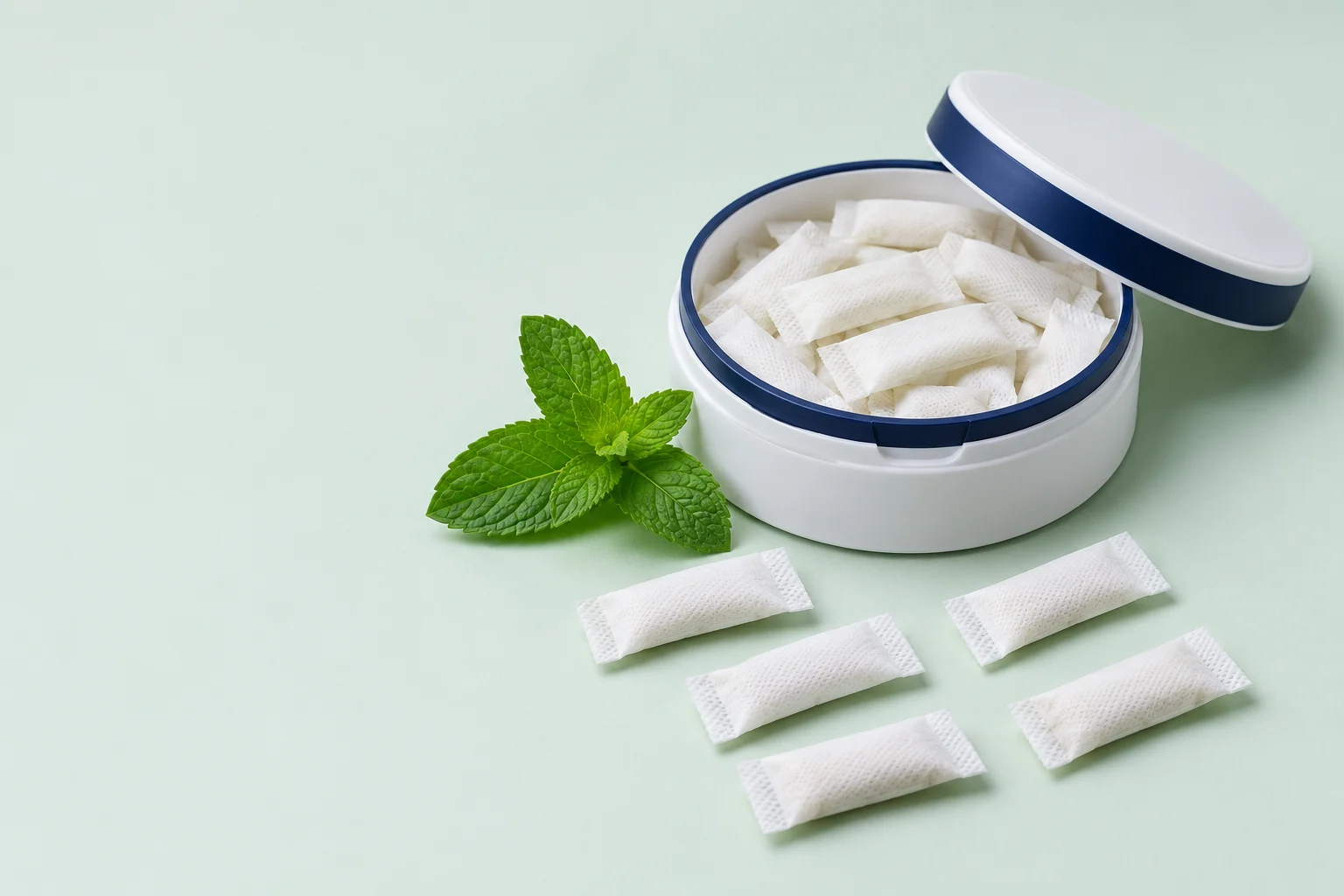
- Mint
- Menthol
- Icy Mint
- Spearmint
- Peppermint
- Double Mint
- Wintergreen
- Polar Mint
- Apple Mint
- Frozen Mint
- Eucalyptus Mint
- Fresh Mint
- Extra Ice Mint
Berry Series
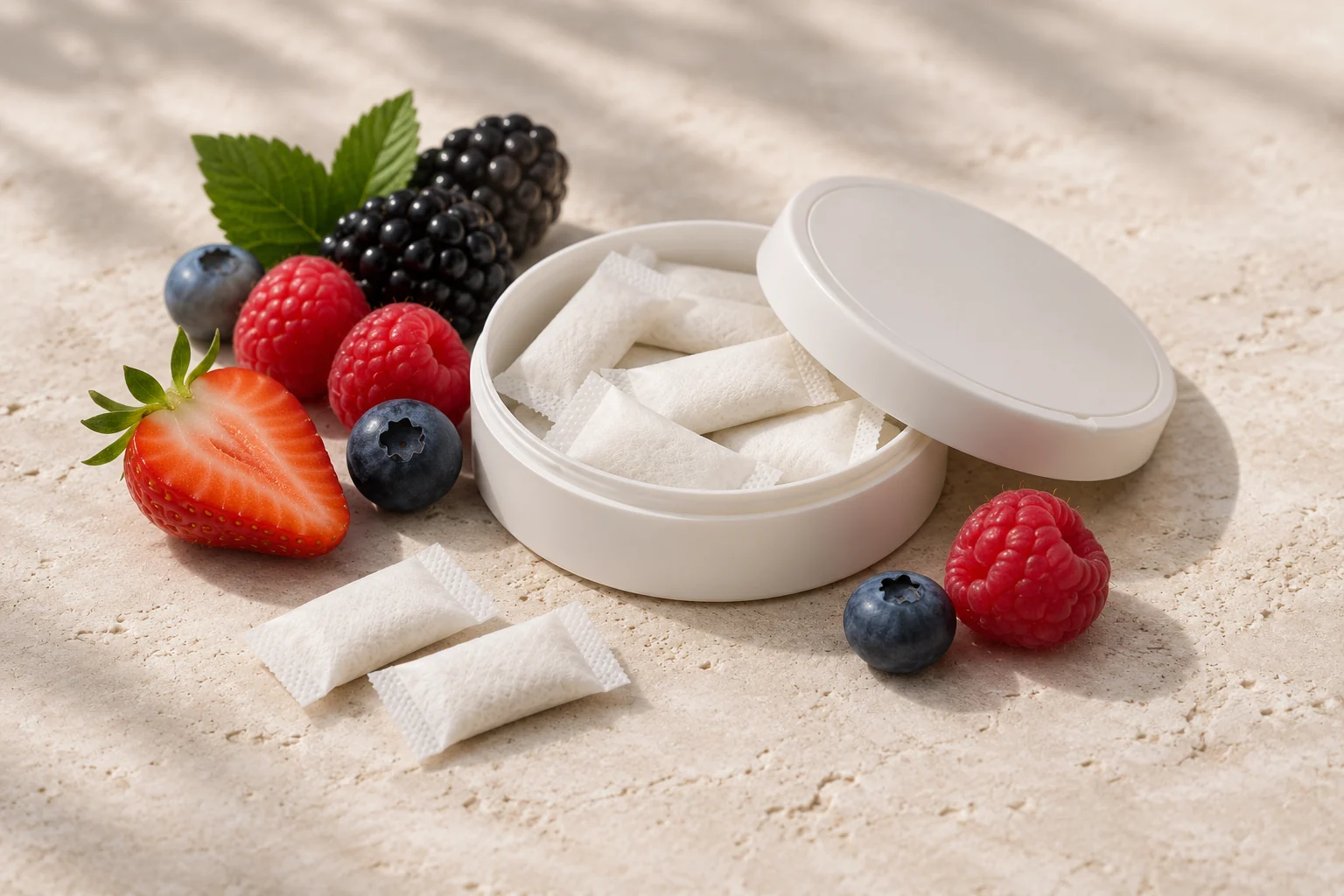
- Blueberry
- Icy Blueberry
- Raspberry
- Blackcurrant
- Cherry
- Black Cherry
- Icy Cherry
- Blue Razz
- Ruby Berry
- Berry Storm
- Cranberry
- Mixed Berries
- Blueberry Raspberry
Fruit Series
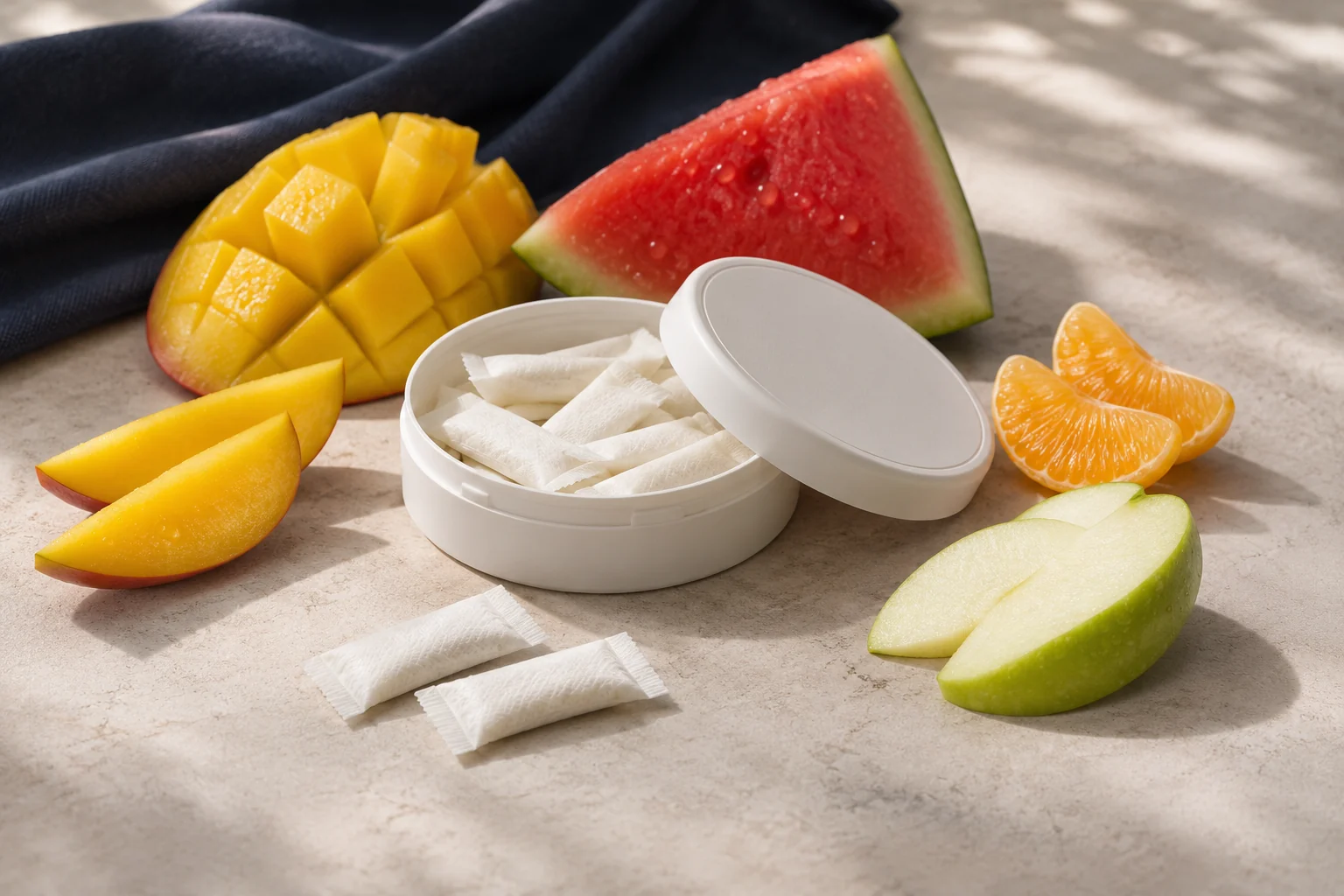
- Banana
- Coconut
- Mango
- Apple
- Green Apple
- Double Apple
- Sour Apple
- Guava
- Kiwi
- Strawberry
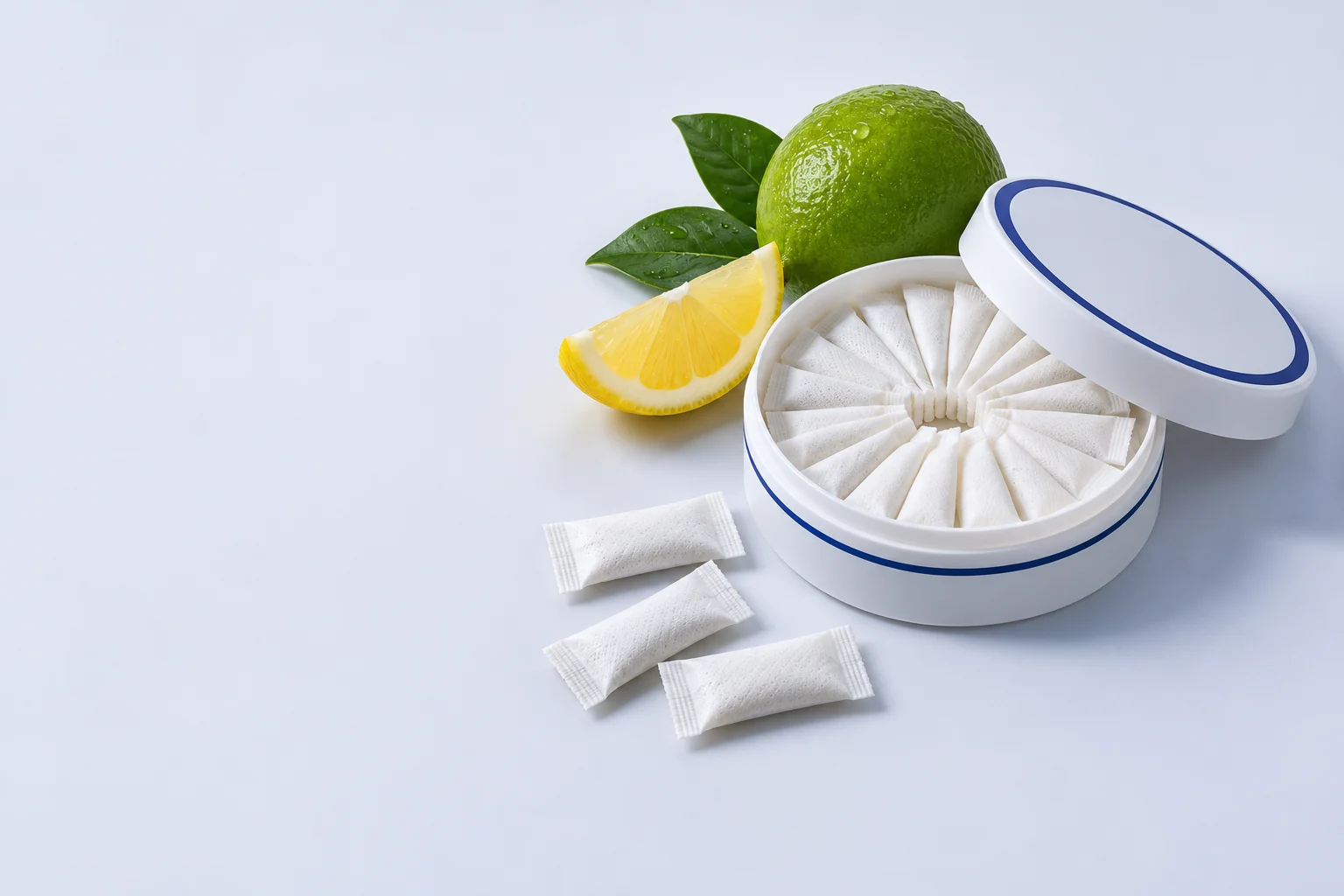
- Citrus
- Icy Citrus
- Lemon
- Grape
- Honey Peach
- Watermelon
- Icy Watermelon
- Strawberry Watermelon
- Pineapple
- Strawberry Kiwi
- Tropical Fruit
- Honeydew Melon
- Sweet Orange
- Pomelo
Beverage Series
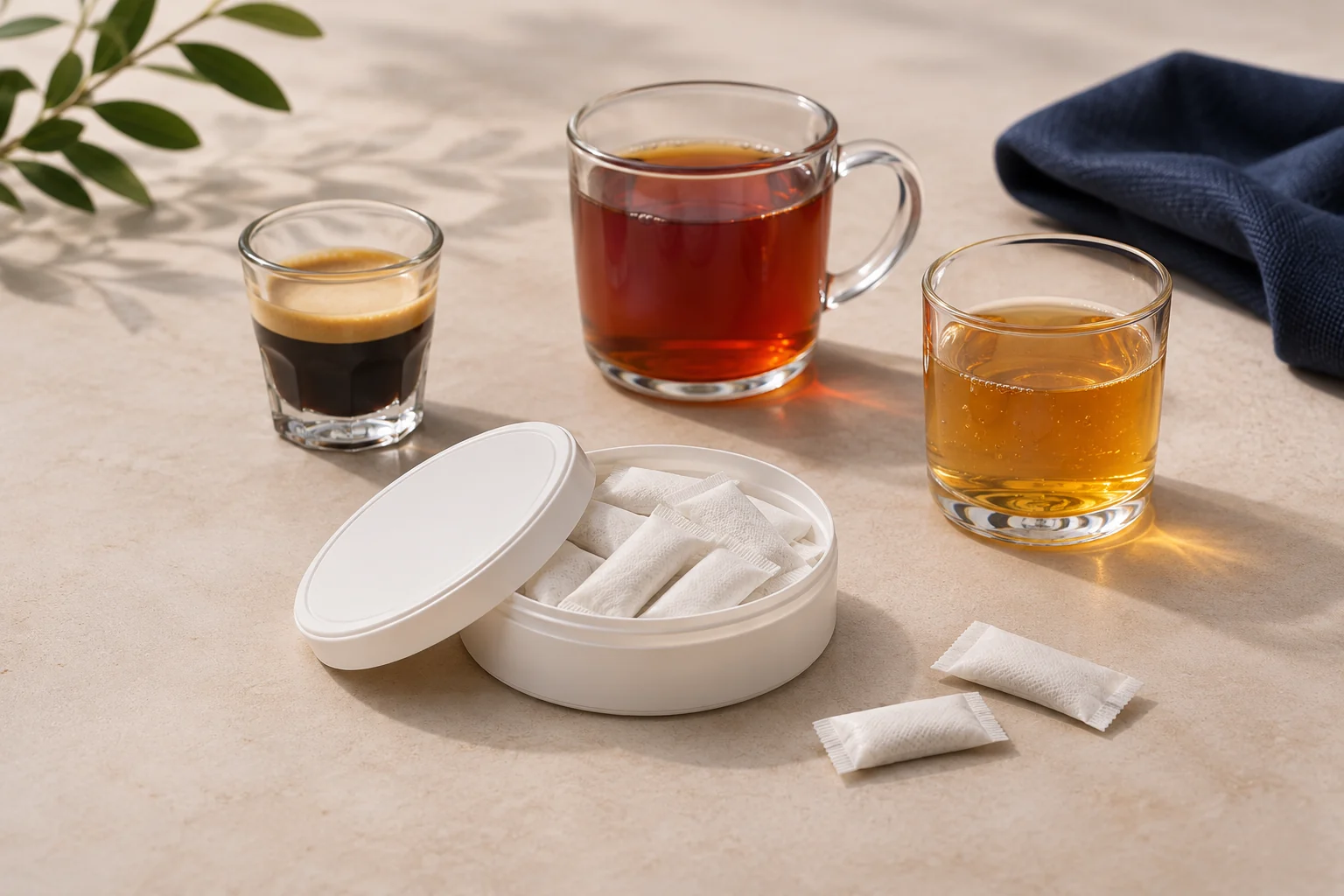
- Milk
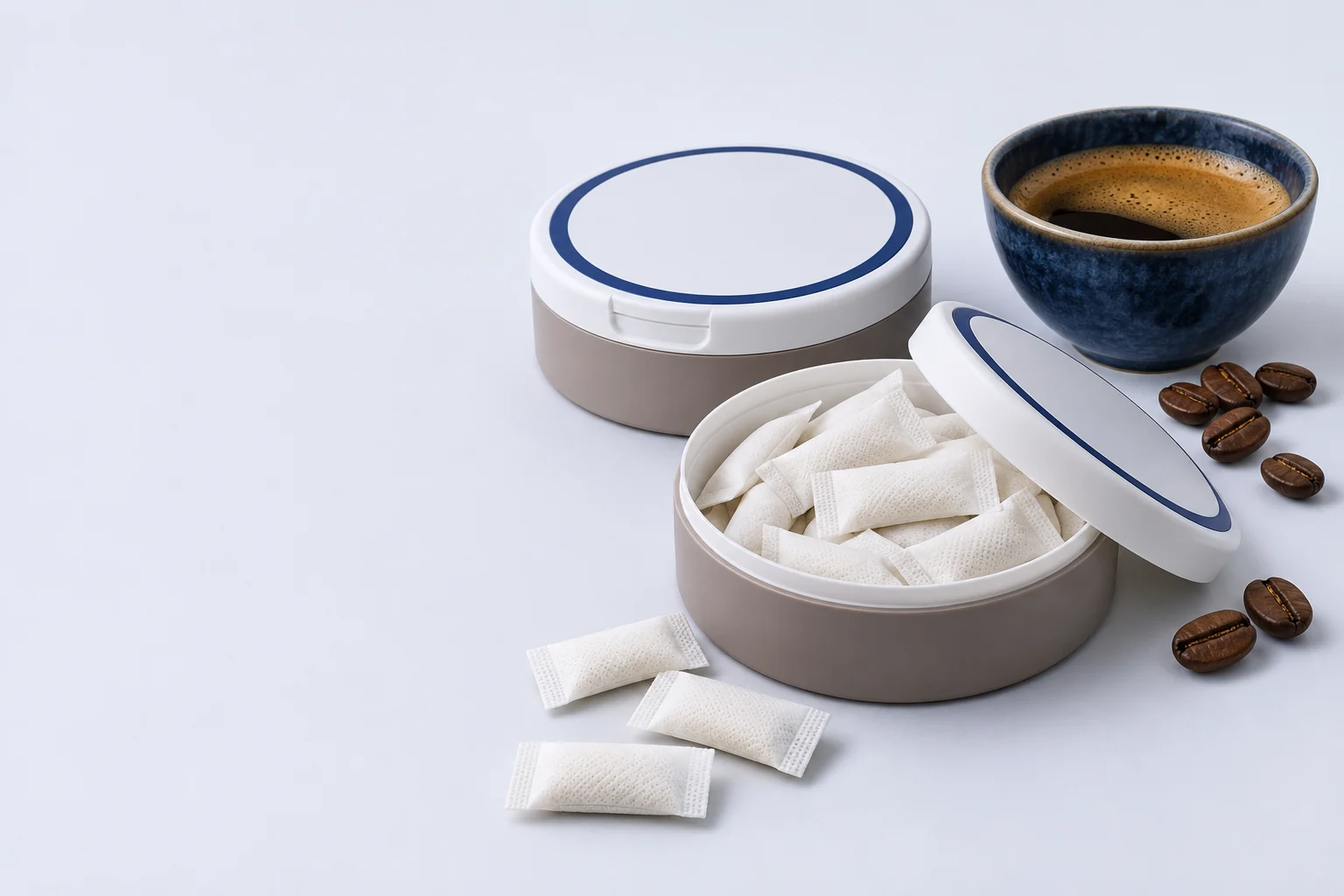
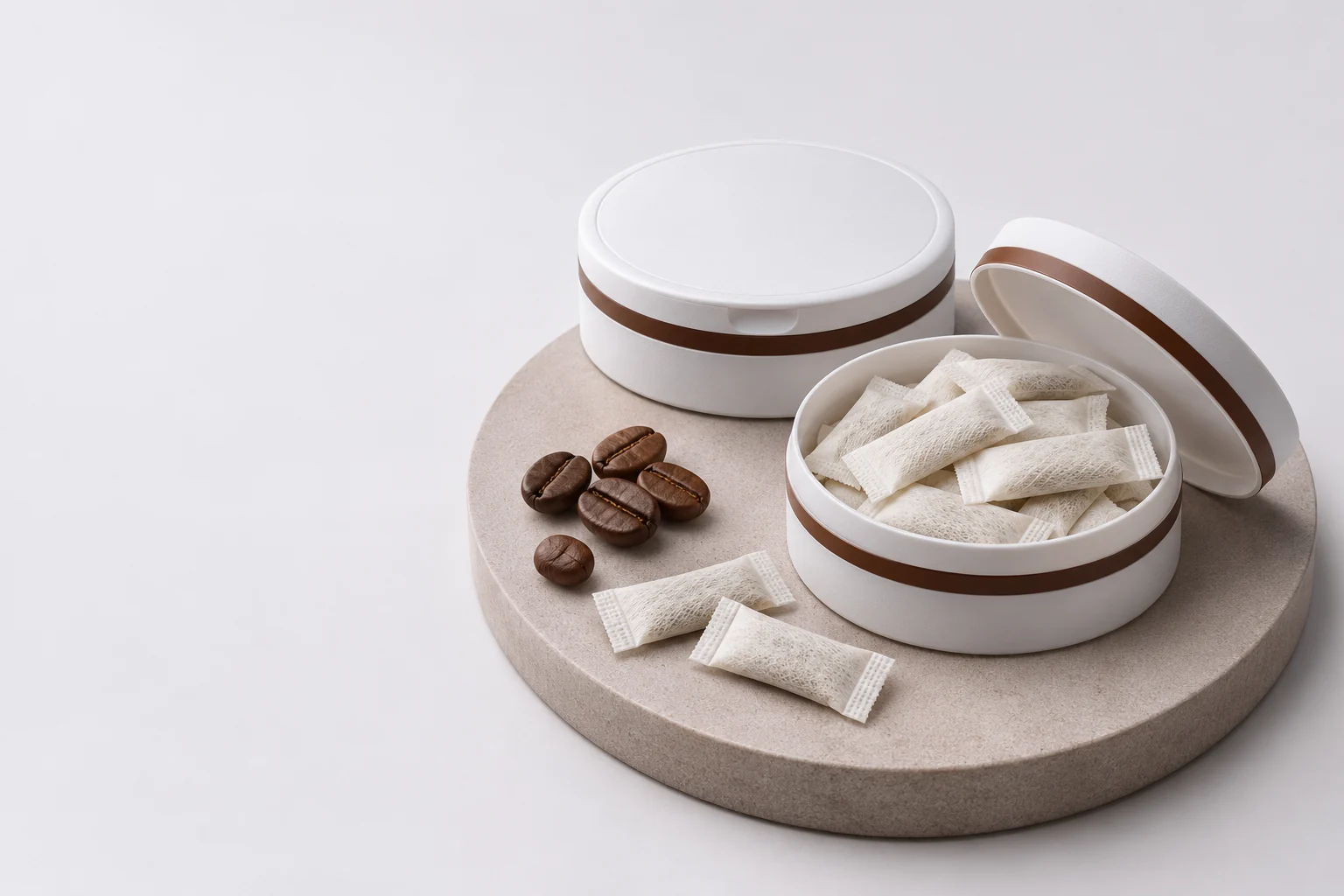
- Coffee
- Mocha
- Latte
- Black Coffee
- Coconut Latte
- Lemon-Lime Soda
- Tea
- Energy Drink
- Milk Tea
- Classic Tea
- Whisky
Candy Series
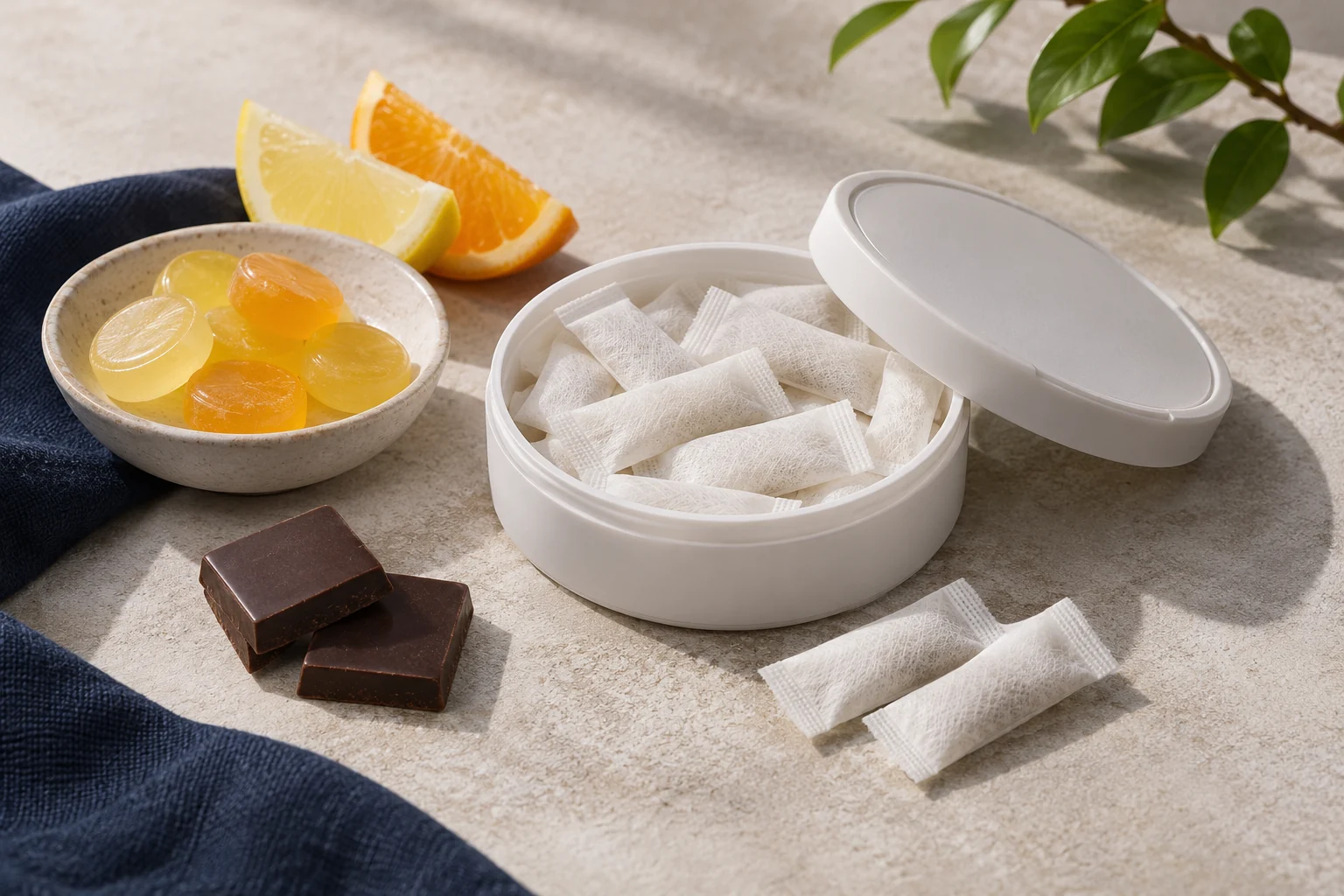
- Gummy Bear
- Rainbow Candy
- Strawberry Gummy
- Bubble Gum
- Blueberry Bubble Gum
Signature Flavors
- Vanilla
- Tobacco
- Chocolate
- Caramel
- Cinnamon
- Iced Mung Bean
- Preserved Plum
Soda Series
- Cola
- Cherry Cola
- Green Apple Soda
- Sweet Orange Fanta
- Honey Peach Fanta
- Grape Fanta
- Monster Energy
Herbal & Floral Series
- Rose
- Fennel
- Jasmine
- Violet
- Roselle
- Licorice
- Elderflower
Turn a name into a sensory target
Specify aroma, sweetness, cooling, bitterness and persistence separately. Coffee flavor does not define caffeine origin; a fruit name does not establish fruit content. A tobacco-style aroma is a flavor reference and does not add tobacco to a nicotine-free formulation. All branded flavor references are reviewed before public product naming.
Practical questions
How many flavor directions are in the supplied menu?
The supplied menu contains 91 named flavor directions, grouped for browsing. These are commonly developed options, and compatibility with the selected active formula, label and destination is confirmed through the project.
Can two flavors be blended into one SKU?
A combined flavor such as strawberry-watermelon can be evaluated as its own SKU. Agree its formula, sensory target and label separately; combining names does not establish that an approved formula already exists.
Does a coffee flavor always contain coffee-derived caffeine?
No. Flavor character and caffeine source are separate decisions. A coffee-style flavor may use a different caffeine source, while a coffee extract can contribute caffeine even when the final flavor is not strongly coffee-like.
Can we avoid a strong sweet aftertaste?
Compare the sweetener blend, concentration, bitterness masking and intended use duration. A lower sweetness target may expose bitterness. Test the complete sample and record both initial taste and aftertaste.
How should mint samples be compared?
Separate mint aroma, cooling strength, sweetness, bitterness and seam feel on the scorecard. Keep the target formula and sample age consistent so a change in moisture is not mistaken for a flavor difference.
Are fruit names proof of fruit content?
No. A flavor name describes a profile unless the formulation and label support an ingredient claim. Confirm whether the SKU uses flavorings, extracts or fruit powders and how those must be declared.
Can an alcohol-style flavor be alcohol-free?
An aroma name such as whisky does not establish the final alcohol content. Review the flavor solvent, carrier and residual specification, then use wording supported by the finished formula and market rules.
Can we use a competitor's flavor name?
Develop an independent flavor brief and check naming rights before release. The internal source menu may contain familiar market references; public branded product names need their own review and should not imply affiliation.
Why can stored samples taste different?
Volatile aroma loss, moisture migration, ingredient interactions and packaging barriers can change taste. Compare samples at defined intervals in the intended pack and distinguish a sensory change from a measured specification failure.
Can a no-cooling flavor be requested?
Yes. Define no added cooling as a formulation requirement and check the complete flavor system. Mint aroma and menthol cooling are different variables, so specify both rather than using mint-free as a substitute.
Bring a clear brief
Tell us your market, formula targets, flavor, pouch format and packaging. We will review the project scope before confirming samples, tests and a quotation.
Discuss your project