
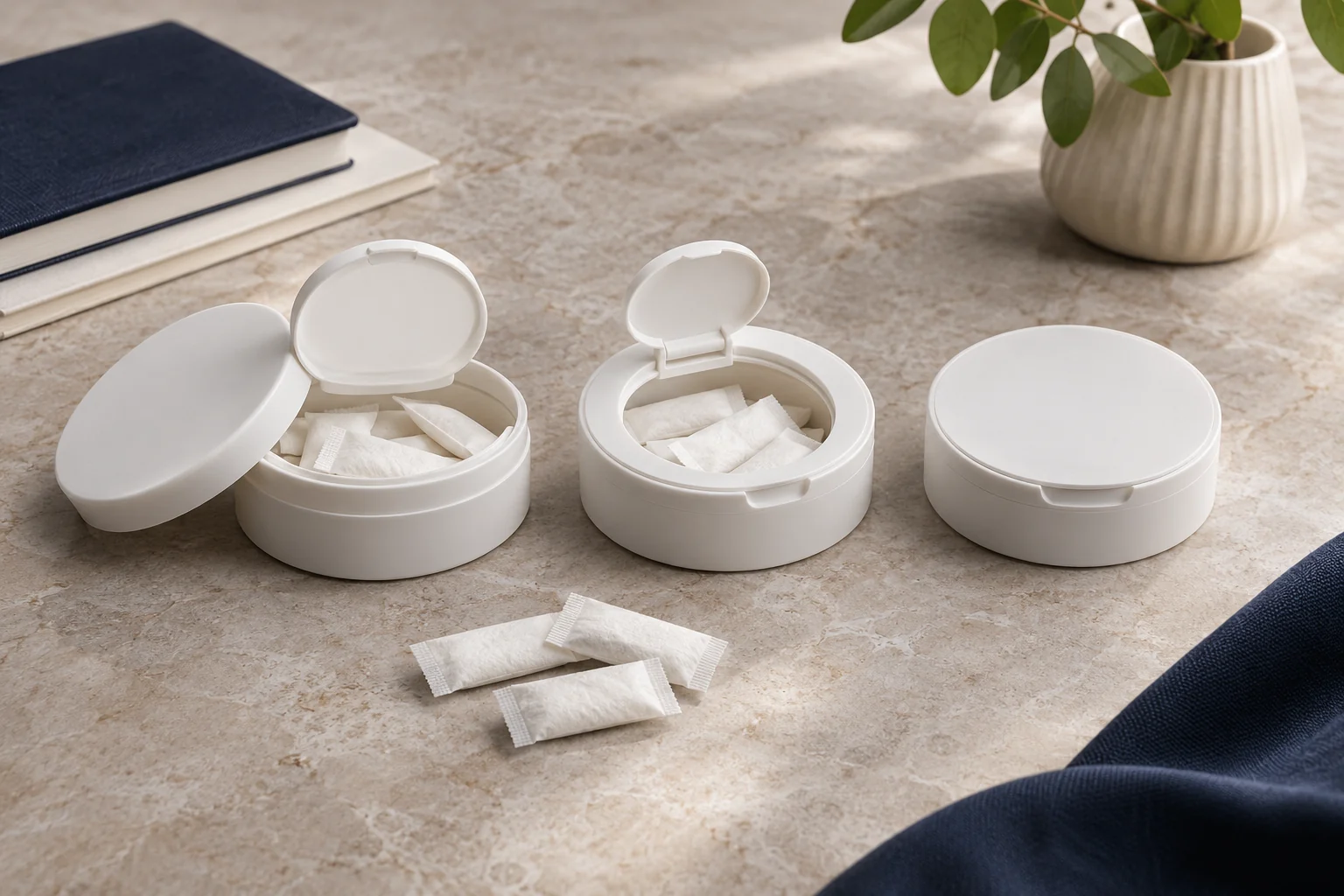
Caffeine pouches
Caffeine, L-theanine, B6 and B12; botanical caffeine sources can also be evaluated.
Discuss your briefFormulation direction
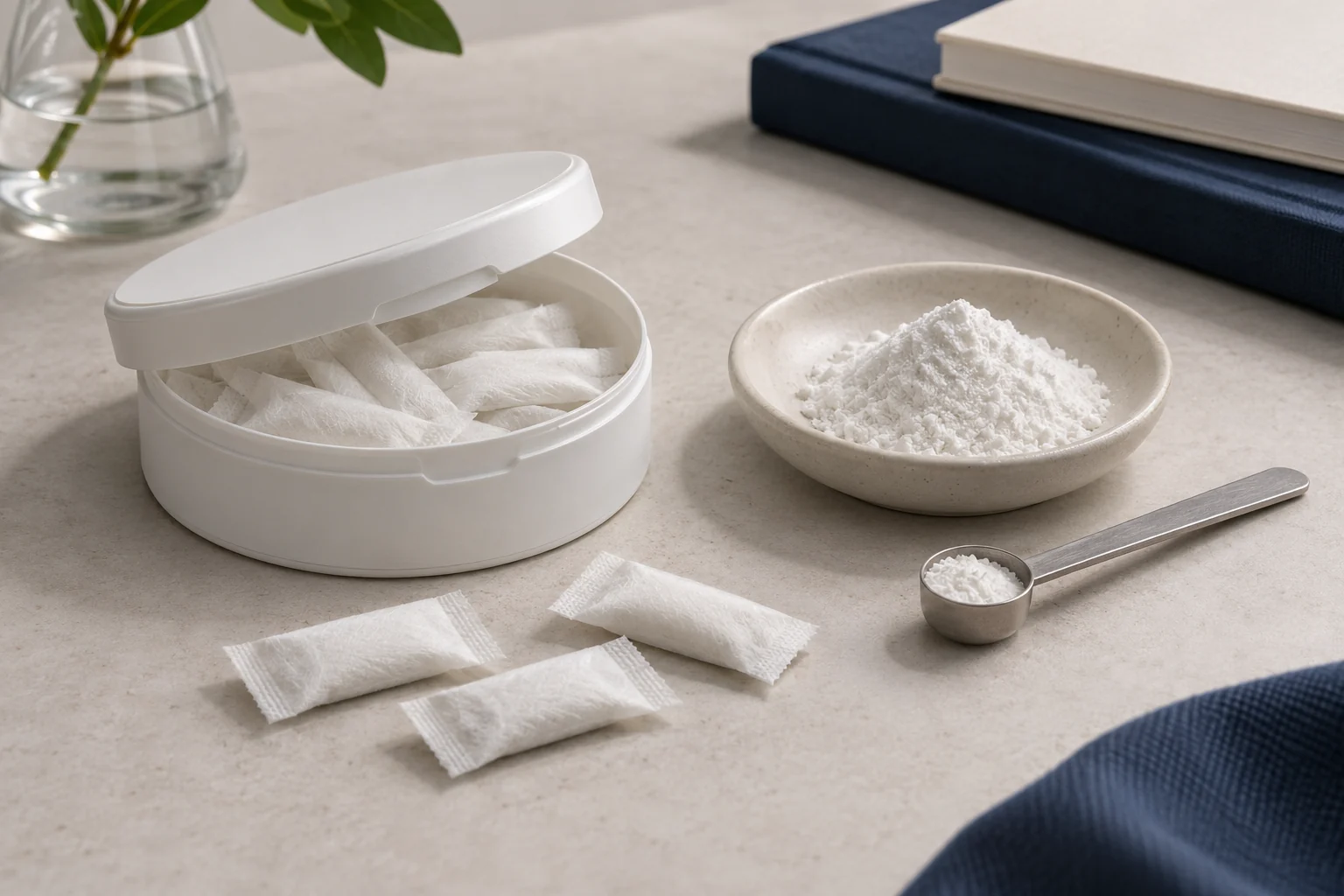
Caffeine, L-theanine, B6 and B12; botanical caffeine sources can also be evaluated.
The ingredient list is a starting point for discussion. We review source, amount, compatibility and available evidence before confirming a sample. A commercial formula must fit the pouch, its intended use and the destination market.
What needs to be specified
- Caffeine source and total content per pouch; bitterness; finished assay; destination classification.
- Pouch dimensions, fill weight, moisture and the intended use window.
- Flavor, sweetness and cooling targets, assessed through the finished sample.
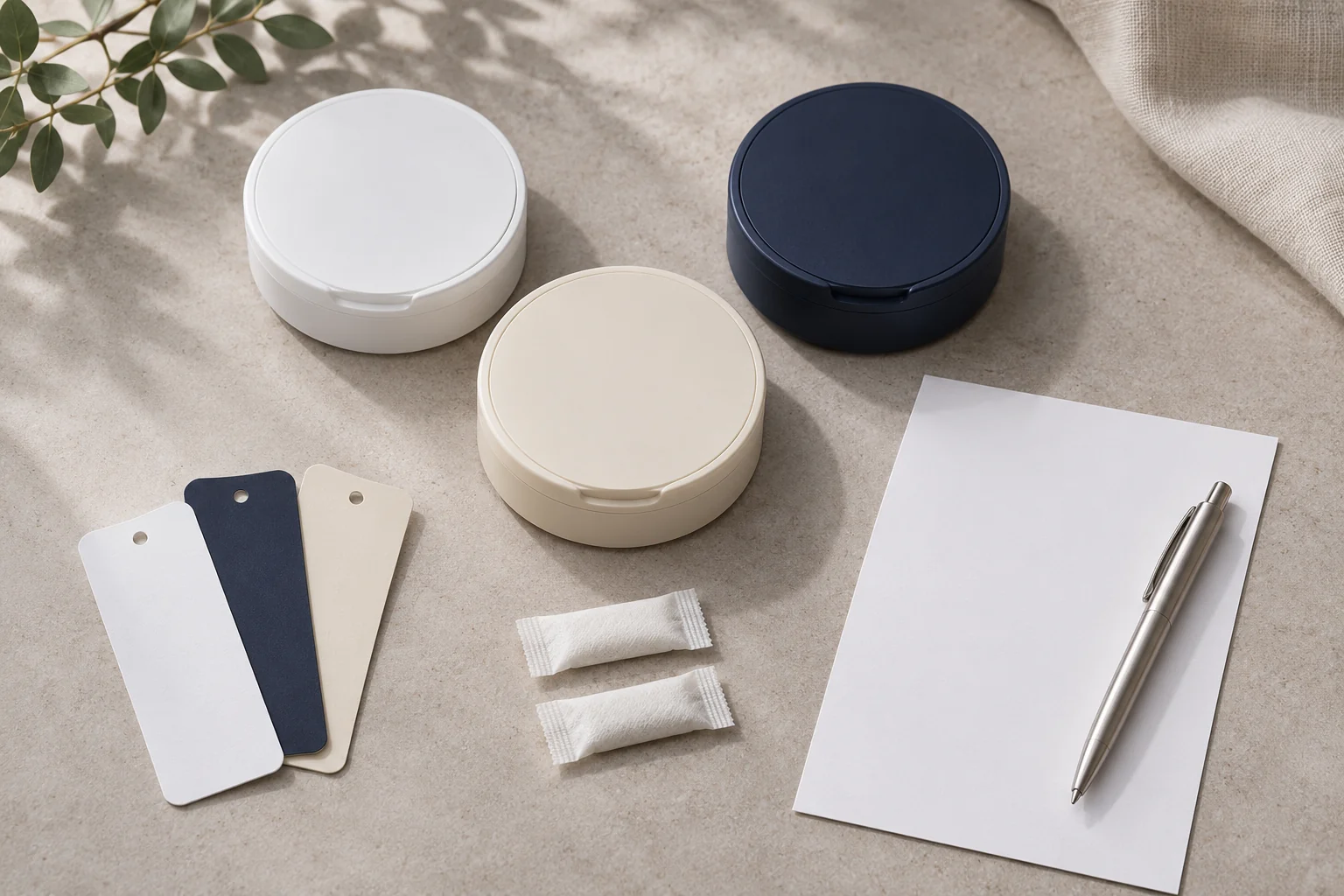
- Can model, count per can, color, label dieline and batch-code area.
- Required specifications, testing, sample scope and written acceptance criteria.
Caffeine and commercial parameters
| Parameter | Project basis |
|---|---|
| Amount | 50, 80 and 100 mg per pouch can be discussed; firm manufacturing maximum 150 mg per pouch; amounts above 150 mg cannot be made, subject to formula and market review. |
| MOQ | 60,000 pouches per flavor/SKU for standard custom caffeine production. |
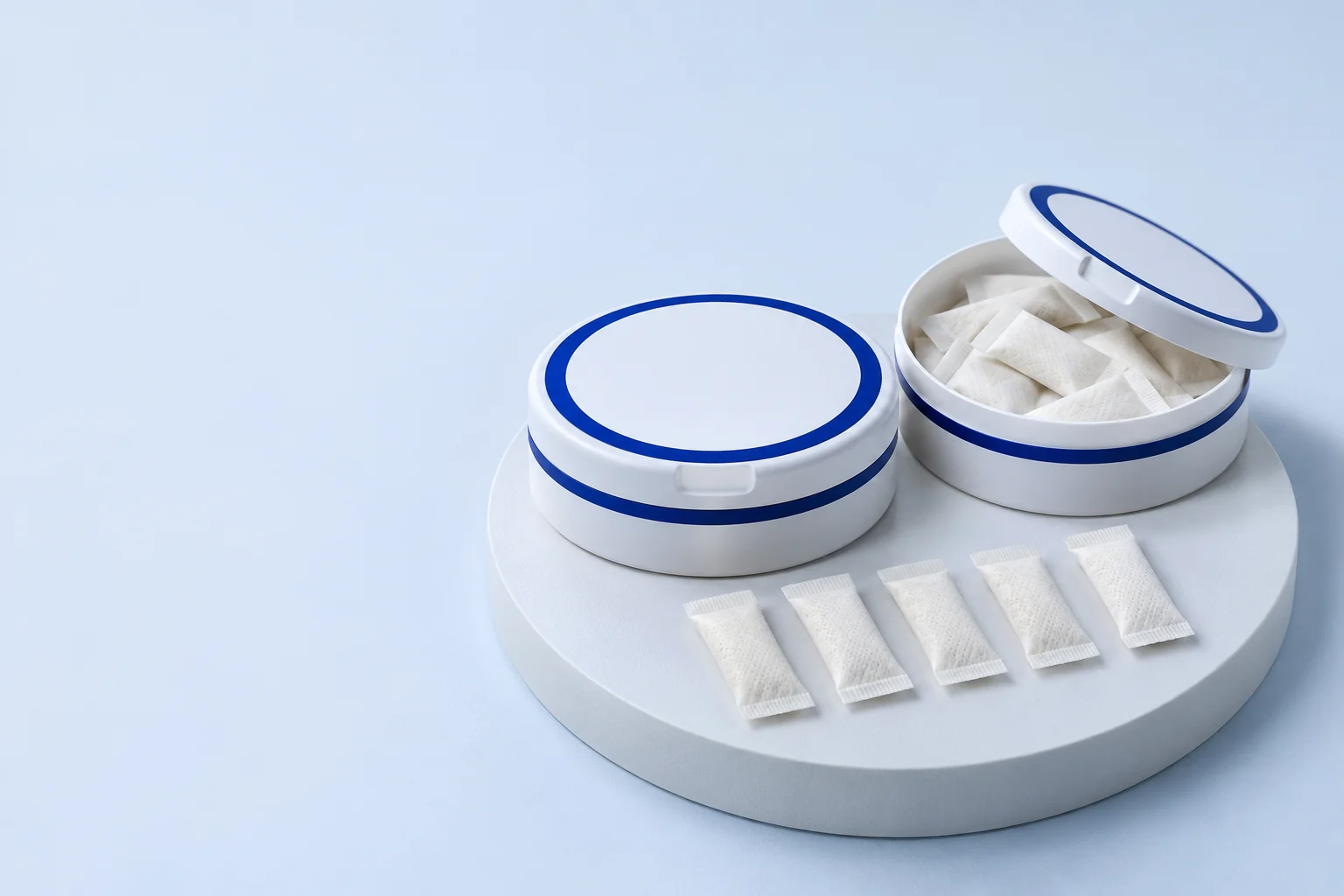
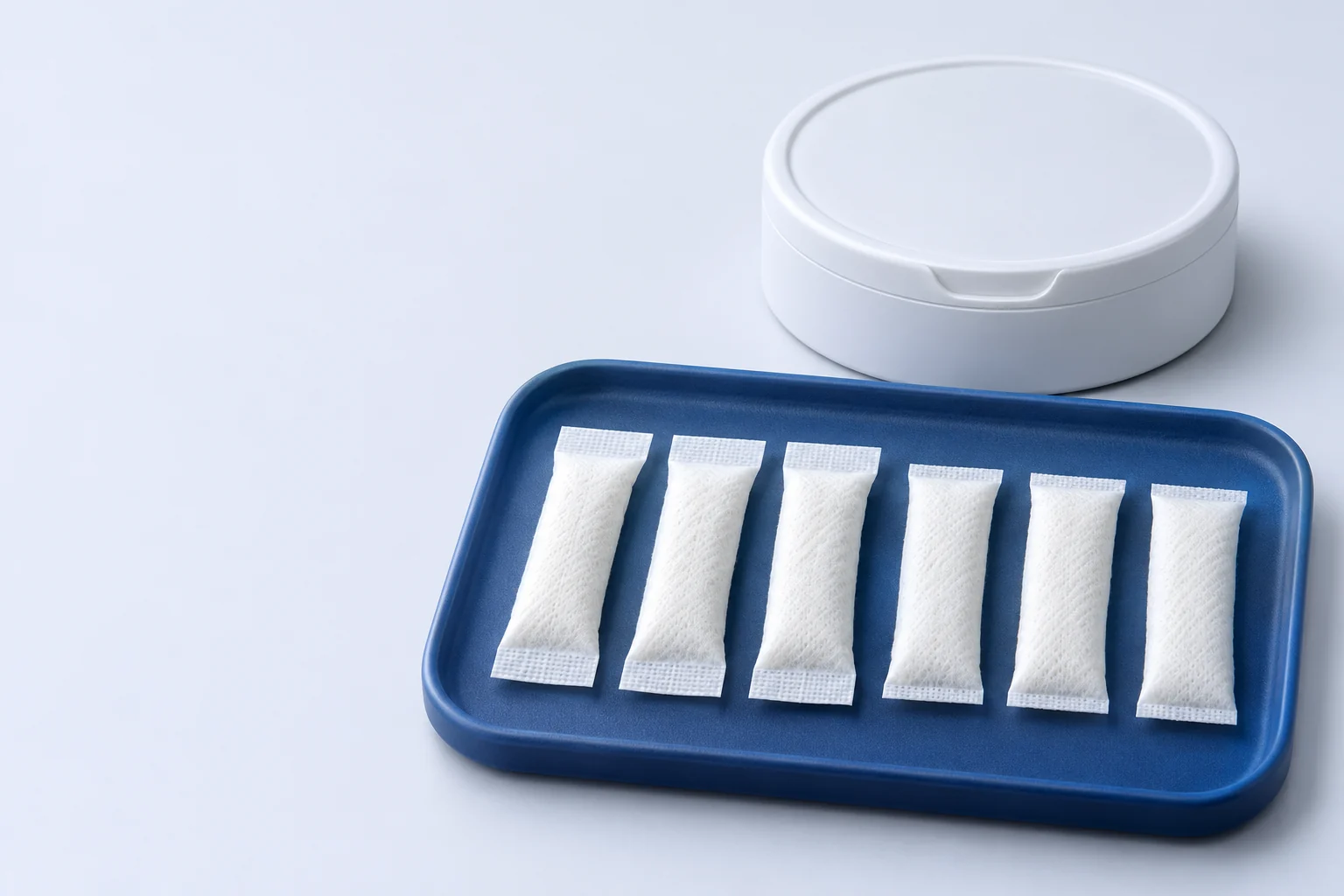
| Pack examples | 15 / 16 / 20 pouches per can, subject to physical fit. |
| Sample scope | Up to 3 SKUs; no more than 15 cans total in the standard discussed scope. |
Sample evaluation
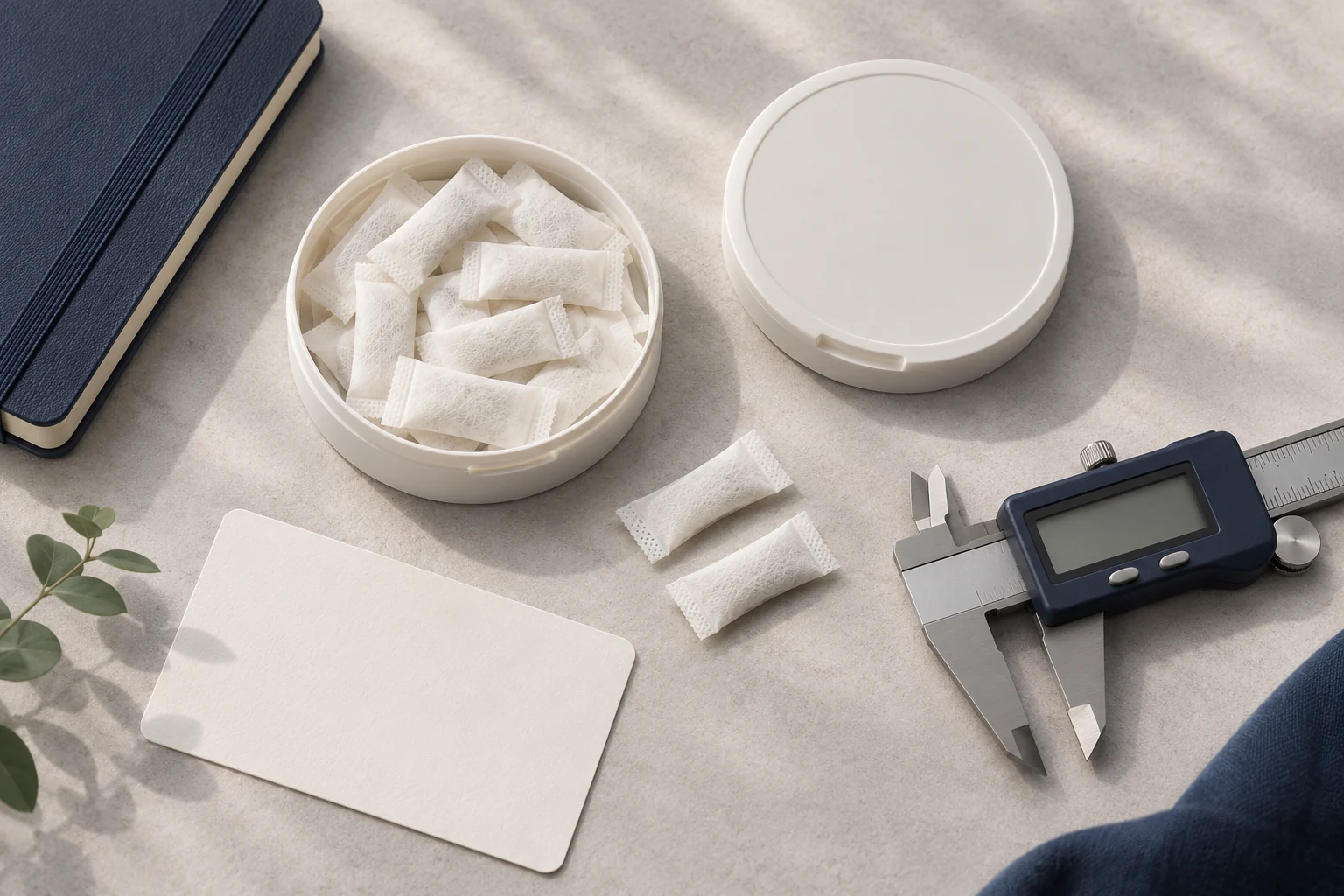
Approve a documented reference sample. Record the initial taste, later bitterness, cooling, texture, seam feel and pack fit. If ingredients or packaging change, decide whether sensory, analytical or stability work needs repeating.
For the flavor menu and actual can model dimensions, use the flavor catalog and the can catalog.
Practical questions
Which caffeine levels can be discussed?
The supplied project brief supports discussion of 50, 80 and 100 mg per pouch and other reviewed levels, with a manufacturing maximum of 150 mg per pouch; amounts above 150 mg cannot be manufactured. Final feasibility and destination review still apply.
Does a 100 mg label mean 100 mg reaches the bloodstream?
No. Added content, measured content, release into a test medium and human absorption are different quantities. An assay can establish caffeine content without demonstrating how much an individual absorbs during use.
Can I compare the caffeine with a cup of coffee?
Compare declared milligrams, with the serving definition stated. Coffee caffeine varies by preparation and portion. A milligram comparison does not prove equal onset, exposure, effect or user experience across formats.
Can consumers combine a pouch with coffee or an energy drink?
All caffeine sources contribute to total intake. Product directions should address cumulative exposure and appropriate warnings. A manufacturer should not imply that a second format creates a separate caffeine allowance.
What does the FDA adult caffeine figure mean for product design?
FDA consumer guidance discusses 400 mg per day as an amount not generally associated with negative effects for most adults. That is general context, not a recommended pouch dose, a target intake or approval of this product.
Does natural caffeine eliminate side effects?
Plant origin does not remove caffeine's effects or individual sensitivity. A botanical formulation also needs extract identity, caffeine standardization and contaminant review. Natural should describe a supported source claim, not a promise of safety.
How is caffeine from guarana counted?
Use the extract's measured caffeine percentage and include every other caffeine source. For example, 100 mg of an extract standardized to 20% caffeine contributes 20 mg of caffeine before other sources are added.
Can a formula guarantee no crash or jitters?
A manufacturer cannot support that guarantee from an ingredient list. Individual response, total exposure and sleep vary. Claims about a finished formula need appropriate evidence and destination-market review.
Does L-theanine cancel caffeine-related anxiety?
Do not claim that adding L-theanine neutralizes caffeine risks. Ingredient pairing is a development option, and a ratio alone does not establish clinical benefit or suitability for an individual.
Why should a low-dose SKU have a separate specification?
A different caffeine amount changes the formula, mixing targets, assay acceptance and label. Treat dose variants as distinct SKUs unless the project agreement explicitly defines another control approach.
Bring a clear brief
Tell us your market, formula targets, flavor, pouch format and packaging. We will review the project scope before confirming samples, tests and a quotation.
Discuss your project