
Development note
Prepared by the LINKBIOLABS product information team. Reviewed 17 November 2026. Scope: OEM/ODM procurement and product development.
First decide what you need to know
A brand may ask how strong a pouch is when it actually needs one of three answers: how much caffeine the pouch contains, how much leaves it under a defined condition, or what an individual absorbs. These are different measurements. A report should state which question it answers.
Start by naming the finished formula and the sample batch. An assay for an incoming caffeine ingredient cannot establish the caffeine content of every finished pouch. A reference product report also cannot stand in for the product being ordered.
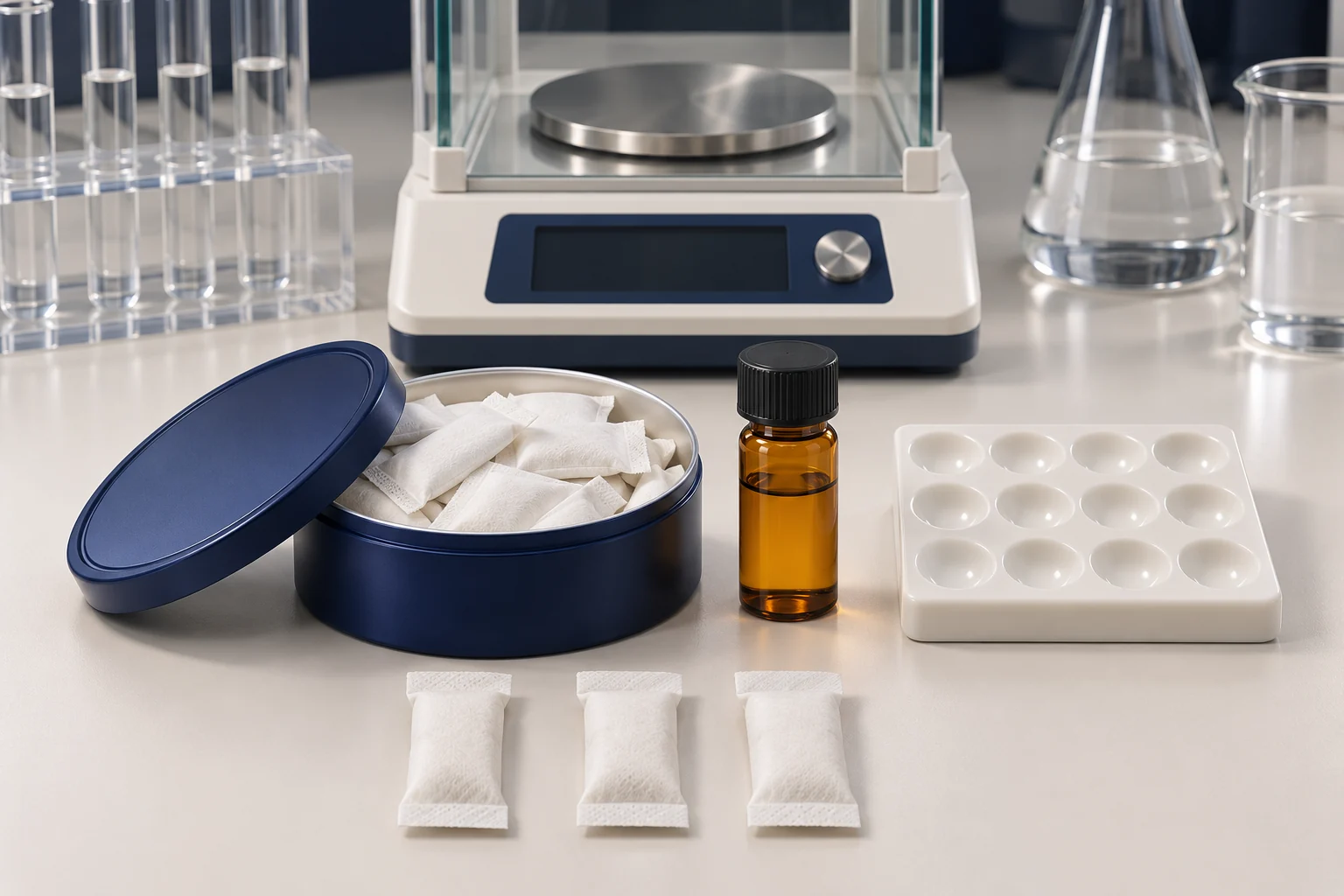
Content testing measures the sample
A finished-matrix assay determines caffeine content using a defined preparation and analytical method. Agree the target, acceptance range, sample plan and result basis before testing. Milligrams per pouch is different from concentration per gram, so confirm the unit and any conversion.
Sampling matters when the question is uniformity. A pooled sample can answer a different question from individually tested pouches. Ask how samples were selected, how many were tested and whether the method is suitable for the actual carrier and ingredient blend.
Release testing needs a test condition
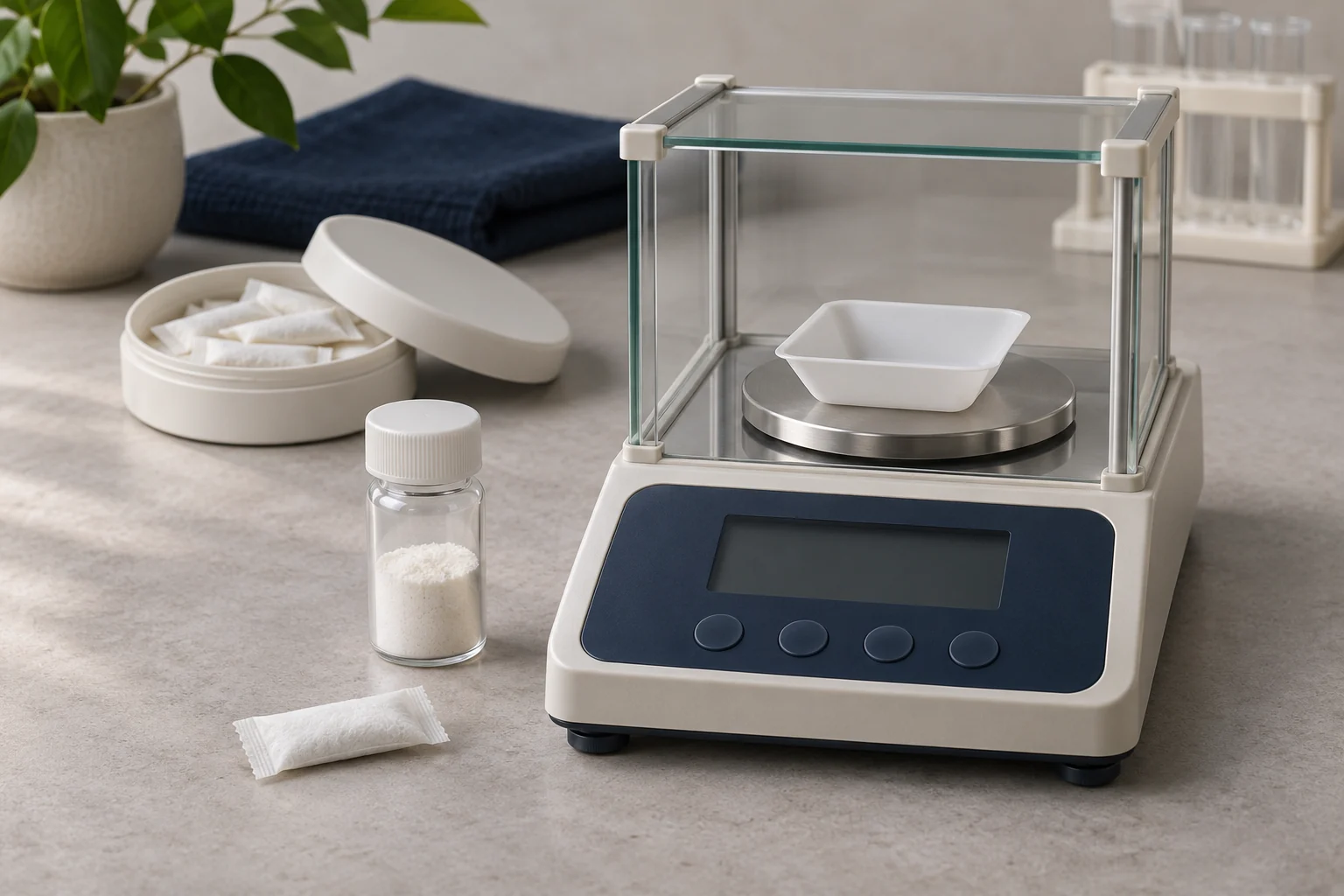
A release test measures caffeine leaving the pouch into a specified medium over time. The medium, temperature, agitation, sampling points and analytical method all shape the result. Define them before comparing formulas. A curve without its method is difficult to use.
The amount placed into a pouch is not the amount released during a particular use window. Flavor persistence is not a release assay, and an intact pouch after use does not show that its contents were unavailable. Agree the question and the experimental method together.
Absorption is a separate evidence requirement
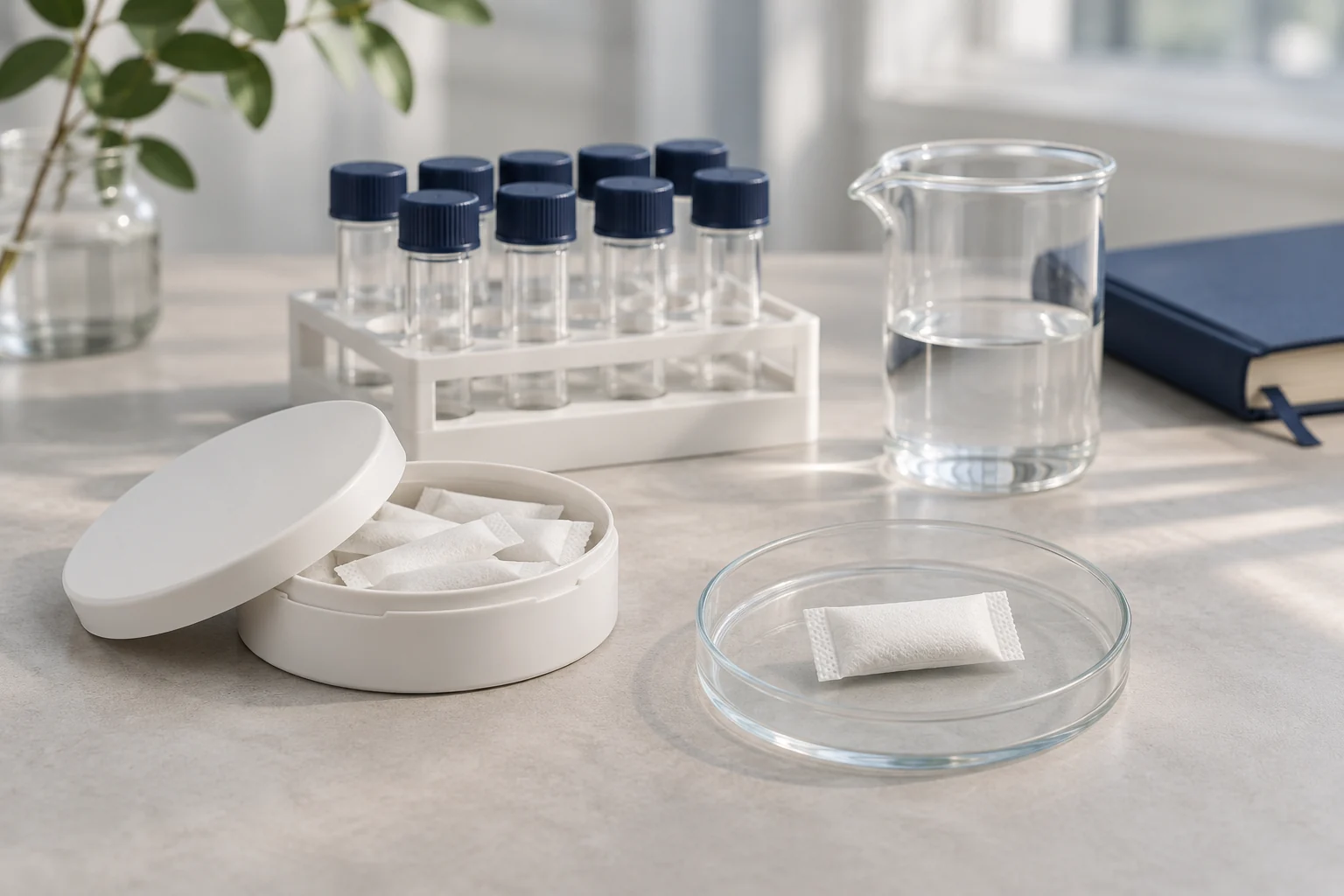
A laboratory release result does not establish human blood levels or onset. Those conclusions require appropriate human data and careful scope. Results from coffee, a tablet, gum or a nicotine product should not be copied to a new caffeine pouch formula.
Keep marketing language within the actual evidence. Fast acting, controlled release and no crash are not manufacturing specifications unless they have been defined and substantiated for the finished product and reviewed for the destination.
Use general caffeine references carefully
FDA consumer guidance discusses total caffeine intake and individual sensitivity. EFSA scientific material also addresses caffeine from all sources. These references help explain why brands should consider total exposure; they do not approve this pouch or set its ideal serving.
For example, caffeine from a pouch, coffee and an energy drink contributes to the same person's daily exposure. A new delivery format does not create a separate allowance. General adult guidance should never be presented as an instruction to consume to a threshold.
Add the other quality questions
Depending on the formula and market, a testing brief may also cover microbiology, heavy metals, nicotine reporting limits, pouch integrity and stability. Each item needs its method, sample scope and acceptance criterion. Ask which reports already exist and which require new work.
A shelf-life statement needs evidence relevant to the final package and storage conditions. Changes in flavor, extract source or moisture can change what must be reviewed. Keep a version trail so the report can be matched to the production formula.
What to request with a report
Request product identity, formula version, batch, sample plan, method, units, results and limits. Confirm what conclusions the report supports before using a number in a claim or label. The distinction saves time when an importer, laboratory or customer asks for evidence.
Source notes: FDA, Spilling the Beans: How Much Caffeine Is Too Much?; EFSA, Caffeine topic and scientific safety context. These sources support general caffeine context. The technical testing framework is procurement guidance, not a claim that this finished product has completed a clinical study.